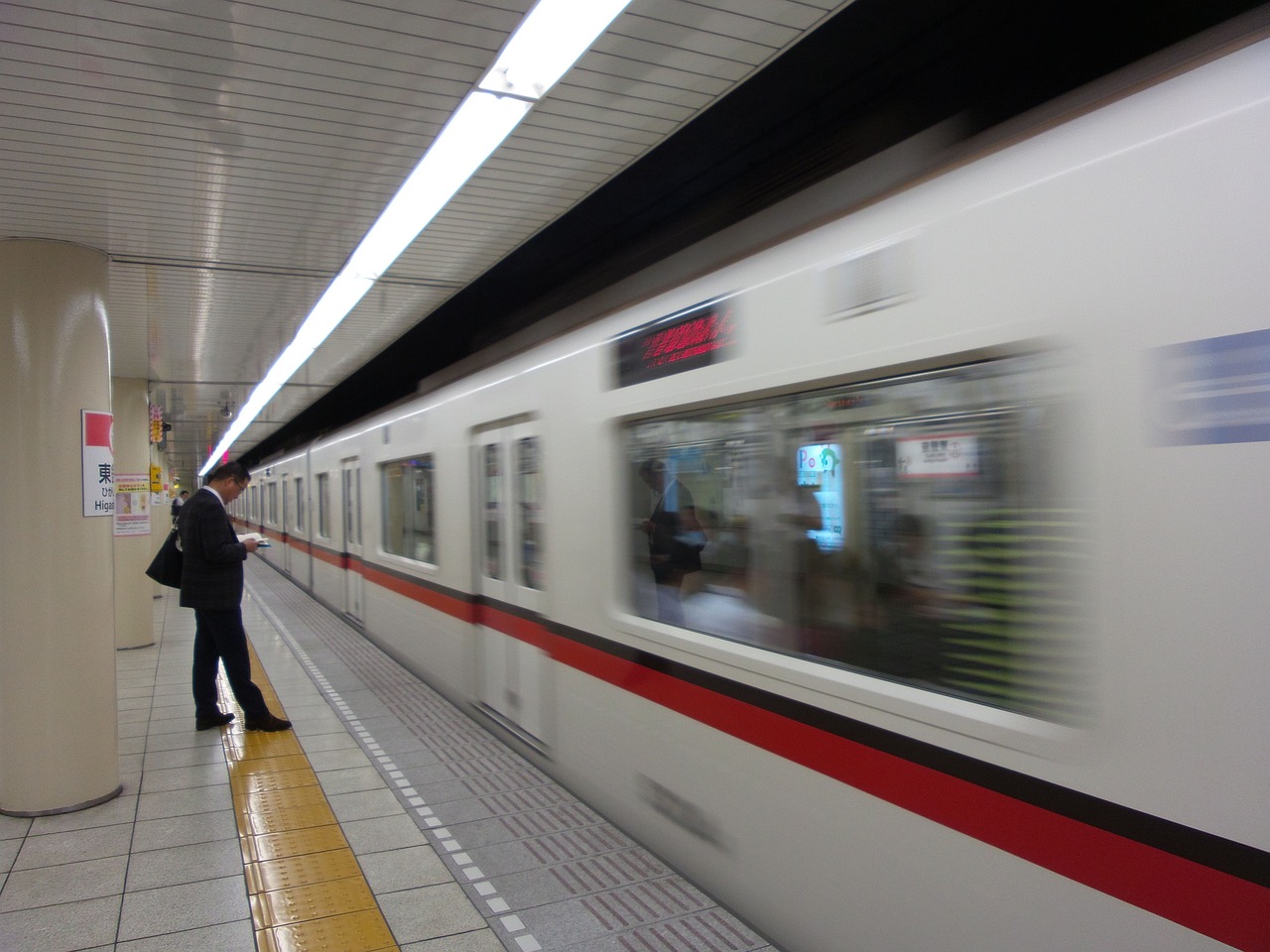
Last updated: November 2026 · Written from Tokyo, by someone who rides these trains every week.
Tokyo’s rail network carries millions of people a day, and on your first morning it can feel like a maze: more than a dozen subway lines, several separate rail companies, and stations with twenty exits. The good news is that you only need a handful of habits to use it confidently. This guide covers what a newcomer — a new resident or a first-time visitor — actually needs to know, from getting an IC card to surviving rush hour.
The Quick Answer
- Get an IC card (Suica or PASMO, or Suica in your phone’s wallet). Tap in, tap out, and the fare is deducted automatically on almost every train, subway and bus in Tokyo.
- Use a routing app such as Google Maps or Japan Transit Planner. It tells you the line, platform direction, transfer and fare.
- Follow line colours and station numbers (for example G09 or JY01), not just station names.
- Avoid 7:30–9:30 on weekday mornings if you can. Trains run on time, but they are packed.
- Check the time of the last train. Most lines stop around midnight.
Who Runs the Trains (and Why It Matters)
Tokyo’s trains are not one system. Three groups run most of the lines you will use:
- JR East — including the light-green Yamanote Line, which loops around central Tokyo through Shinjuku, Shibuya, Tokyo and Ueno, plus the Chuo, Sobu and Keihin-Tohoku lines.
- The two subway companies — Tokyo Metro (9 lines) and Toei Subway (4 lines). They share stations but charge separately.
- Private railways — Tokyu, Keio, Odakyu, Seibu, Tobu, Keisei and others, which run out to the suburbs. Many of them continue directly onto subway lines, so your train may change company without you changing trains.
Why care? Each time you move from one company’s gates to another’s, a new fare starts. An IC card handles all of this for you, but it explains why a trip that looks short on the map can cost more than you expect.
Step One: Get an IC Card
An IC card is a rechargeable smart card. You touch it on the reader at the ticket gate when you enter and again when you leave, and the correct fare is deducted. You never need to work out ticket prices at a machine.
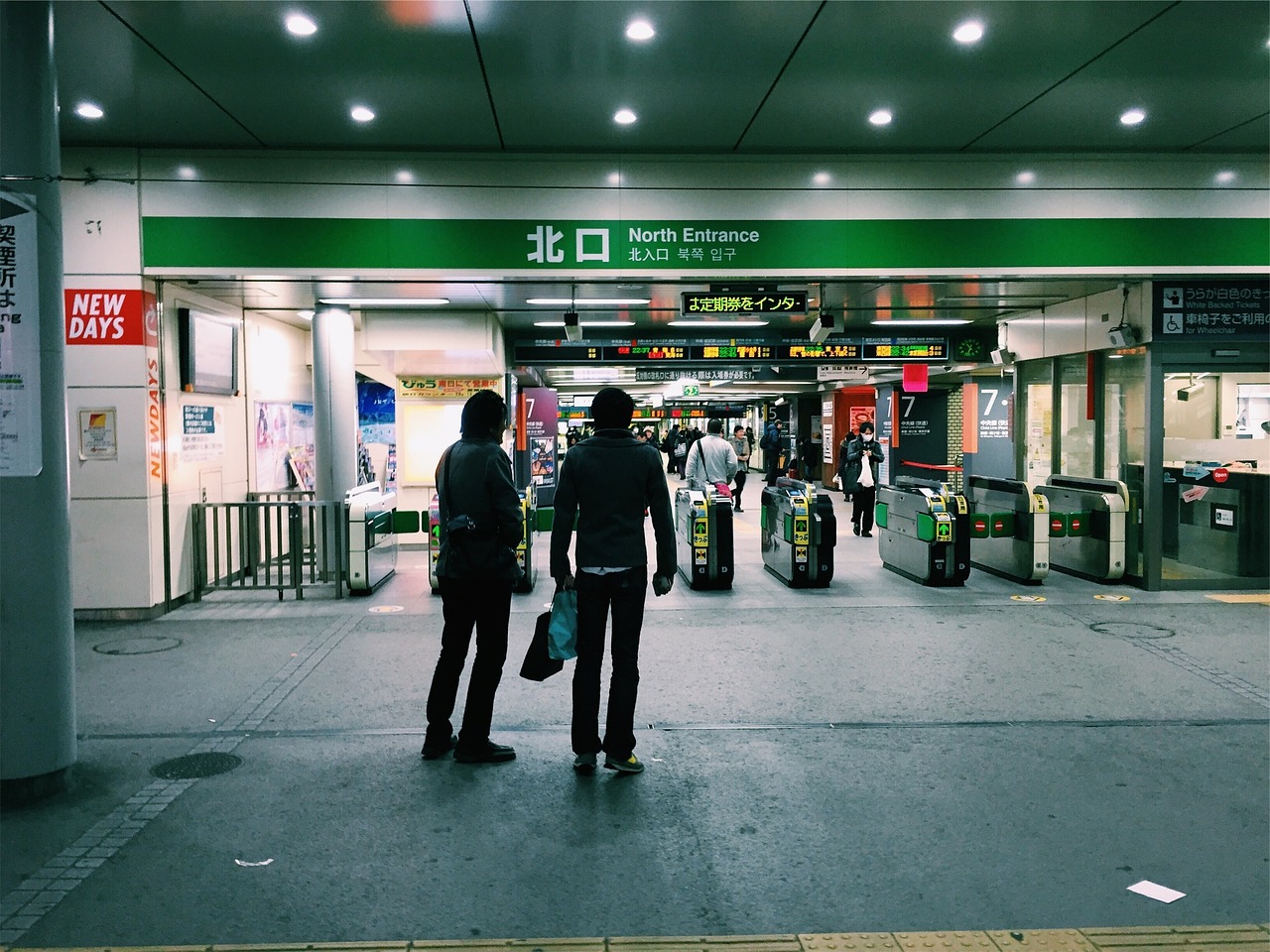
Your main options:
- Suica (JR East) or PASMO (private and subway lines) — they work the same way and are accepted on each other’s lines. Both require a ¥500 deposit, which you get back when you return the card. Residents should choose one of these.
- Welcome Suica / Welcome Suica Mobile and tourist PASMO cards — designed for short-term visitors. There is no deposit, but they are valid for 28 days only.
- Suica or PASMO on your phone — iPhones can add a Suica or PASMO to Apple Wallet, and Japanese Android phones with Osaifu-Keitai can use the Mobile Suica or PASMO apps. You can top up with a credit card from the phone, and you never lose the card.
The same card also pays for buses, many vending machines, convenience stores and lockers, which is why most residents treat it like a small wallet.
Topping up
You can add money (in Japanese, charge / チャージ) at any ticket machine in the station, usually in ¥1,000 steps. Station machines take cash only for physical cards. Convenience store cashiers can also top up your card. If your balance is too low when you exit, the gate will close with a beep. Don’t panic: use the yellow fare adjustment machine (精算機, seisanki) near the gates, add money, and tap out again.
Step Two: Plan Your Route With an App
Routing apps are accurate to the minute in Tokyo because trains keep to the timetable. Good choices:
- Google Maps — easy, works in English, shows platforms and exits.
- Japan Transit Planner (Jorudan) or NAVITIME — more detail on fares, which car to board for a fast transfer, and express trains.
When you read the result, note three things: the line name and colour, the direction (the final station the train is heading towards, shown on platform signs), and the train type. Local trains (各駅停車) stop everywhere; Rapid, Express and Limited Express trains skip stations. Boarding a fast train by mistake is the most common newcomer error. Usually it just means a short ride back.
Step Three: Read the Signs
Every subway line has a colour and a letter, and every station has a number. The Ginza Line is orange and uses G, so Shibuya is G01. The Toei Shinjuku Line is green and uses S. JR’s Yamanote Line uses JY. When a station name is long or you can’t read Japanese, the code is the fastest way to confirm you are in the right place.
Signs are in Japanese and English at almost every station, and many add Chinese and Korean. Yellow signs usually point to exits, which are numbered or lettered (A2, B5, East Exit). In large stations such as Shinjuku or Tokyo, choosing the right exit can save you ten minutes of walking, so check the exit your app recommends.
What It Costs
Fares depend on distance and on which company runs the line. Short city trips are cheap: JR East’s lowest Yamanote Line fare rose to ¥160 for a paper ticket in March 2026, when JR East raised its fares for the first time since 1987. IC card fares are slightly lower than paper ticket fares.
| Option | Price (adult) | Best for |
|---|---|---|
| Pay as you go with an IC card | Per trip, by distance | Residents and most visitors |
| Tokyo Subway Ticket, 24 hours | ¥1,000 | Visitors riding the subway a lot in one day |
| Tokyo Subway Ticket, 48 hours | ¥1,500 | Two busy sightseeing days |
| Tokyo Subway Ticket, 72 hours | ¥2,000 | A long weekend |
| Commuter pass (定期券) | Fixed price for 1, 3 or 6 months | Residents travelling the same route to work or school |
The Tokyo Subway Ticket covers all Tokyo Metro and Toei subway lines but not JR lines. It is sold to overseas visitors and to Japanese residents who live outside Tokyo and the surrounding prefectures, so Tokyo residents can’t use it. Children’s prices are half. Prices are from Tokyo Metro’s official page as of November 2026; check before you buy.
If you live here, a commuter pass loaded onto your Suica or PASMO is usually the biggest saving. Within the covered section you can get on and off as often as you like, including on weekends. Many employers pay for it, so ask before you buy one yourself.
Rush Hour and Etiquette
Weekday mornings from about 7:30 to 9:30 are the busiest time, especially on lines heading into central Tokyo. If you have luggage or children, travel outside these hours if you can. Some tips that make every ride smoother:
- Queue at the marked lines on the platform and let passengers off first.
- No phone calls on the train, and keep your phone on silent mode (マナーモード).
- Wear your backpack on your front or put it on the overhead rack when the train is crowded.
- Priority seats near the car ends are for elderly, pregnant, injured and disabled passengers.
- Women-only cars run on many lines during the morning rush. They are marked in pink on the platform.
- Eating on commuter trains is frowned on. It’s fine on long-distance and Shinkansen trains.
Last Trains and Late Nights
Most Tokyo lines run their last trains between about midnight and 0:30, and they start again around 5:00. Your routing app will show the last connection home. Use it before a late dinner, because missing the last transfer is common. If you do miss it, you can take a taxi (most accept IC cards and credit cards), wait in a 24-hour restaurant or manga café, or check whether a late-night bus runs your way.
If Something Goes Wrong
- Gate won’t open: your balance is too low, or you didn’t tap in properly at the start. Go to the staffed window next to the gates. Staff can fix your card in a minute.
- Lost something on a train: tell staff at any station of that railway, with the time, line and car if you remember them. Japanese railways return a surprising number of lost items.
- Train delayed or stopped: announcements are given in English on most major lines, and apps update in real time. If a delay is long, staff can give you a delay certificate (遅延証明書) for your school or employer.
- Earthquake: trains stop automatically for safety. Stay calm, follow staff instructions and don’t leave the train on your own.
A Simple First-Week Plan
- Get a Suica or PASMO, or add one to your phone, and load ¥2,000–3,000.
- Install Google Maps and one Japanese transit app, and save your home and work stations.
- Ride your daily route once outside rush hour and note the exit and the best car to board.
- If you commute, compare a commuter pass with pay-as-you-go after the first week.
Once these become habits, Tokyo’s trains are one of the easiest parts of daily life here, and the fastest way to the parts of the city worth exploring. Heading out to shop for outdoor gear? Our mont-bell sizing guide for foreigners will help you choose the right size in the store.
Frequently Asked Questions
Can I use one IC card on JR, the subway and private railways?
Yes. Suica and PASMO work across almost all trains, subways and buses in the Tokyo area, and they also work in other major Japanese cities.
Is Suica or PASMO better?
For everyday travel they work the same. Choose the one sold at your nearest station. If you commute, buy the card from the company that runs your commuter route so your pass can be loaded onto it.
Does the Tokyo Subway Ticket cover the Yamanote Line?
No. It covers Tokyo Metro and Toei subway lines only. JR lines such as the Yamanote Line are paid separately.
Do trains run all night in Tokyo?
No. Most lines stop between midnight and 0:30 and start again around 5:00.
Prices and rules are checked against official sources as of November 2026. Fares and ticket conditions can change, so confirm on the operator’s website before you travel.