

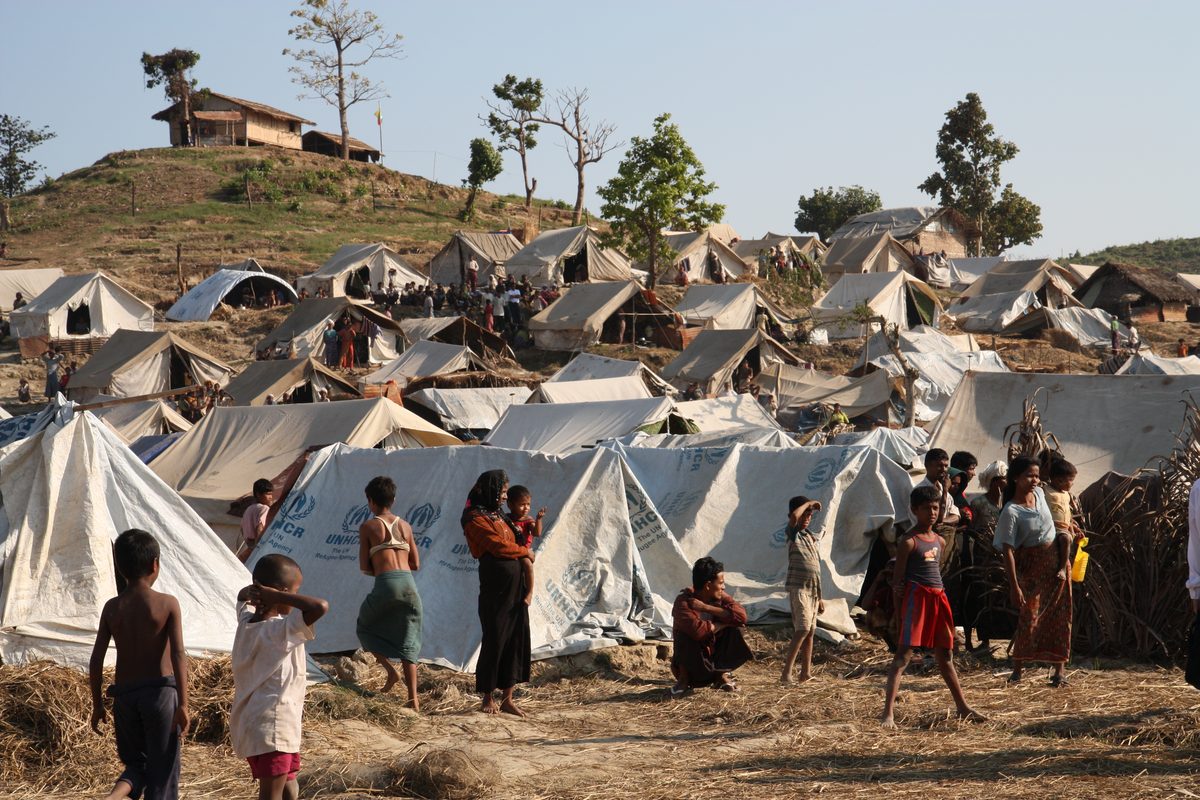
The United Nations has released a new report painting a grim picture of the human rights situation in Myanmar, describing conditions across the country as having sunk to a new low.
Minorities bearing the heaviest burden
According to the report, the Rohingya and other minority communities are facing escalating violence. Documented abuses include torture, forced labour, and forced recruitment into armed groups. For communities that have already endured years of displacement and persecution, the report suggests the situation is not improving — it is getting worse.
Criminal economies fuelling the crisis
The report also highlights how illicit industries are feeding the wider crisis. Illegal mining, human trafficking, drug production, and online scam centres have become entrenched across the country, generating revenue streams that sustain conflict and exploitation. These criminal economies do not exist in isolation — they thrive in the vacuum left by the collapse of the rule of law, and their victims are often ordinary people, including migrants and trafficked workers lured by false promises of employment.
Toxic mining devastating Kachin and Shan states
One of the most alarming findings concerns rare-earth mining in Kachin and Shan states. The extraction of these minerals — used in everything from smartphones to electric vehicles — is described as toxic and largely unregulated. The report warns that mining operations are devastating local communities, poisoning farmland, and contaminating rivers and waterways that people depend on for drinking water and agriculture. The environmental damage may take generations to reverse.
“Suffering, misery, and cruelty”
UN High Commissioner for Human Rights Volker Türk summed up the findings in stark terms, describing the nationwide situation as one of suffering, misery, and cruelty.
Why this matters
For those of us in the Myanmar diaspora, reports like this are painful to read but important to share. The global demand for rare-earth minerals means that what happens in Kachin and Shan states is connected to supply chains around the world. And the growth of scam centres and trafficking networks affects not only people inside Myanmar, but also migrant workers across the region.
Awareness is the first step. International attention, accountability, and pressure on those profiting from these abuses remain essential — because behind every statistic in this report is a human life.
For more reporting and guides in this section, see our News & Life hub.
Source: United Nations Human Rights Office report on Myanmar.